Yoga is a beautiful practice that can cater to anyone, regardless of their flexibility or physical condition. For those who experience stiffness, whether in the hips, hamstrings, or shoulders, the journey into yoga may seem daunting. However, embracing a few simple yet effective poses can transform your experience and build confidence. Let’s explore some beginner-friendly yoga routines designed specifically for individuals with tight muscles.

Understanding Stiffness in the Body
Stiffness often arises from a sedentary lifestyle, repetitive movements, or even stress. It can create discomfort and limit mobility. Many beginners feel discouraged when they can't touch their toes or get into certain poses easily. It's essential to remember that yoga is not a competition; it’s about connecting with your body and finding what feels good for you.
When practicing yoga as a beginner, especially if you're dealing with stiffness, gentle modifications ensure you can participate without strain. This approach not only helps alleviate tension but also fosters a sense of accomplishment.
The Importance of Warm-Up
Before diving into specific poses, warming up is crucial. Gentle movements help prepare your muscles and joints, reducing the risk of injury while enhancing flexibility over time. Spend five to ten minutes engaging in light stretching or simple movements like neck rolls and shoulder shrugs to get the blood flowing.
Key Poses for Beginners with Stiffness
Here are five beginner-friendly yoga poses that You can find out more target stiffness effectively:
1. Cat-Cow Stretch (Marjaryasana-Bitilasana)
This pose gently warms up the spine and relieves back tension.
- Start on all fours in a tabletop position. Inhale as you arch your back (Cow Pose) and look slightly upward. Exhale as you round your back (Cat Pose), tucking your chin toward your chest. Repeat this sequence for several breaths.
2. Child's Pose (Balasana)
Child's Pose is wonderful for stretching the hips and lower back while promoting relaxation.
- Kneel on the floor, bringing your big toes together and sitting on your heels. As you exhale, fold forward, resting your forehead on the mat. Allow your arms to extend forward or rest alongside your body. Hold this pose for several deep breaths.
3. Downward-Facing Dog (Adho Mukha Svanasana)
A staple in many yoga routines, this pose stretches multiple areas including hamstrings and calves.
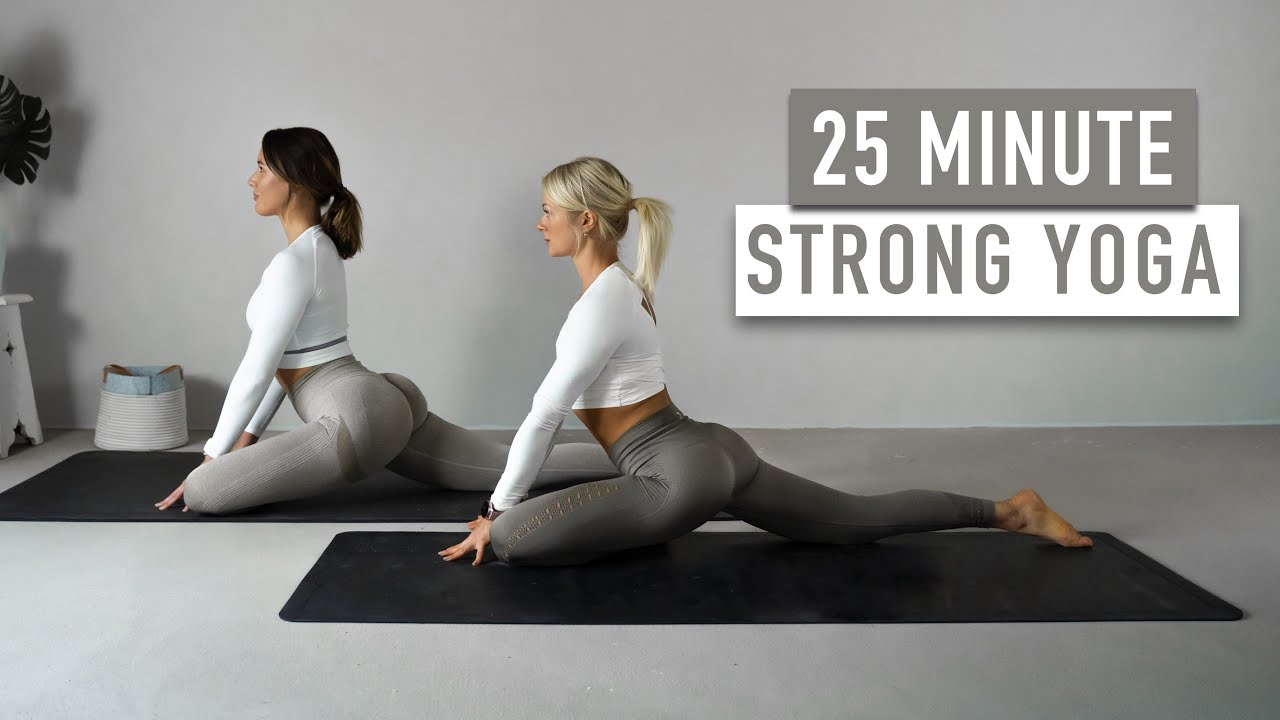
- Begin in a plank position. Lift your hips upwards while pressing your heels toward the ground. Keep your knees slightly bent if needed. Hold for five breaths while allowing your head to hang between your arms.
4. Seated Forward Bend (Paschimottanasana)
This seated pose targets tight hamstrings and encourages relaxation.
- Sit on the floor with legs stretched straight out in front of you. Inhale deeply and lengthen your spine before slowly bending forward from the hips as you exhale. If reaching your feet feels too challenging, use a strap around them or rest hands on shins instead. Breathe deeply here for several counts.
5. Supine Butterfly Stretch (Supta Baddha Konasana)
Great for hip opening without significant effort, this stretch promotes comfort and ease.
- Lie on your back with soles of feet together, letting knees fall outward. Place cushions or blocks under knees if needed for support. Relax in this position while taking slow breaths.
These poses offer gentle but effective ways to start building flexibility over time without pushing yourself too hard initially.
Modifications Make All the Difference
As an absolute beginner or someone with tight muscles, modifications are key to making yoga more accessible. For instance:

If reaching down to touch your toes seems impossible at first, bending at the knees during standing forward bends allows you to maintain comfort without feeling any pressure in those areas. Using props like blocks can provide extra support during stretches that might otherwise be difficult.
Additionally, listening to your body is fundamental; if something doesn’t feel right—adjusting position or resting is perfectly acceptable!
Finding Your Yoga Routine
Establishing a consistent practice can be incredibly beneficial for both body and mind. You don’t need an extensive amount of time; even 15–20 minutes daily dedicated to these poses can yield significant improvements over weeks and months.
Consider creating a simple morning routine featuring these poses when you wake up or unwinding with them after work hours as part of an evening ritual—whatever suits best within your schedule!
Building Confidence Through Practice
Many people mistakenly believe that one must be flexible to do yoga effectively; however, this myth often deters newcomers from exploring its benefits fully. By adopting simple techniques tailored towards stiffness instead of feeling overwhelmed by advanced postures reserved for more experienced practitioners—confidence will grow naturally over time as progress unfolds visibly!
It's also helpful to remember that everyone was once a beginner at some point; even seasoned yogis had their struggles during their initial journeys! Engage with community classes where instructors understand how vital encouragement is throughout every stage—from absolute beginner workshops focused specifically on aiding stiff bodies—to more advanced sessions down the road depending upon personal development achieved through practice consistency!
Whether it's experiencing newfound range within limited mobility zones like hips/hamstrings or simply enjoying moments spent slowing down amidst busy lives—yoga provides opportunities unmatched elsewhere! A gentle reminder: always respect individual limits while embracing growth possibilities ahead—the journey itself holds immense value no matter where one starts along its path!
By incorporating these simple yet effective yoga poses into weekly routines—even amidst stiffness—you'll likely discover enjoyable shifts occurring within both physical capabilities & mental clarity alike!