In a world that often feels chaotic and overwhelming, the practice of breath awareness in yoga offers a pathway to grounding and presence. Breath is not just a physiological function; it serves as a bridge between the mind and body, connecting our inner experiences with the external environment. By focusing on our breath, we can cultivate mindfulness and reduce stress, ultimately enhancing our overall well-being.
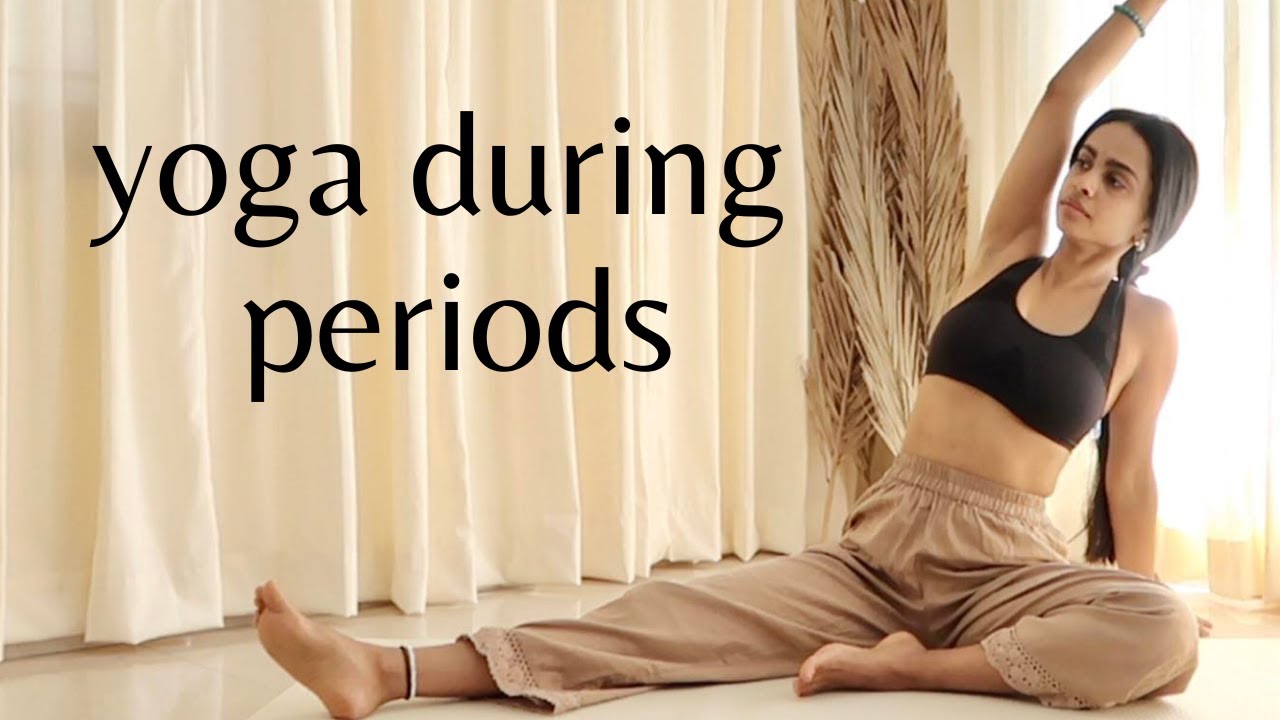
Understanding Pranayama
Pranayama, a Sanskrit term that translates to "control of breath," encompasses various breathing techniques designed to regulate energy flow within the body. While many practitioners are familiar with yoga poses, they may overlook the profound benefits of pranayama. These breathing exercises can be particularly beneficial for beginners who seek to deepen their yoga practice without necessarily mastering complex postures.
The fundamental principle behind pranayama lies in its ability to influence the nervous system. Engaging in specific breathwork can activate the parasympathetic nervous system, promoting relaxation and reducing anxiety. This physiological response can be especially advantageous in today’s fast-paced lifestyle, where stress might feel like an unwelcome companion.
The Benefits of Breath Awareness
Breath awareness offers several tangible benefits that extend beyond the mat. One of the most significant advantages is its impact on mental clarity. When we focus on our breath, we anchor ourselves in the present moment, allowing distractions to fade away. This heightened state of awareness enhances focus and concentration, making it easier to tackle challenges both on and off the mat.
get more infoMoreover, breathwork plays a pivotal role in emotional regulation. Many individuals struggle with feelings of anxiety or overwhelm. Engaging in conscious breathing exercises can help mitigate these emotions by promoting calmness and stability. For instance, practicing deep inhalations followed by slow exhalations can create a sense of balance within the body’s physiological systems.
Practical Techniques for Beginners
For those new to pranayama, there are several accessible techniques that can be easily integrated into daily routines:
Diaphragmatic Breathing: Begin by lying down or sitting comfortably. Inhale deeply through your nose, allowing your diaphragm to expand fully as your belly rises. Exhale slowly through your mouth or nose while feeling your belly fall.
Box Breathing: This technique involves four equal parts—inhale for four counts, hold for four counts, exhale for four counts, and hold again for four counts before repeating. It fosters concentration and promotes relaxation.
Alternate Nostril Breathing (Nadi Shodhana): Sit comfortably and use your right thumb to close your right nostril while inhaling through your left nostril. Close the left nostril with your ring finger and exhale through the right nostril. Inhale through the right side next before switching again. This method balances energy within the body.
Ujjayi Breath: Often referred to as "ocean breath," this technique involves slightly constricting the throat while breathing deeply through both nostrils, creating a sound reminiscent of ocean waves. It enhances focus during yoga practice.
Bhramari (Bee Breath): Inhale deeply through your nose and then hum during exhalation while keeping your mouth closed, producing a buzzing sound like a bee. This practice calms the mind and relieves tension.
Incorporating these techniques into a daily routine not only enhances physical health but also nurtures mental resilience.
Breathwork vs Yoga Poses
While yoga poses are vital for physical strength and flexibility, integrating breath awareness deepens one's practice significantly. Poses like Downward Dog or Warrior II gain dimension when accompanied by intentional breathing patterns that guide movement.
For instance, synchronizing breath with movement during sun salutations creates fluidity and mindfulness that enhances physical alignment and balance throughout each transition between postures.
Conversely, practicing pranayama independently offers its own set of advantages—especially for those who may have limitations due to injuries or other constraints that make certain poses challenging.
Enhancing Mindfulness Through Breath Awareness
Mindfulness is about being present—acknowledging thoughts without judgment while remaining grounded in reality's sensations at any given moment. Breath awareness invites this presence into every aspect of life outside yoga sessions too.
When faced with stressors at work or personal challenges at home, pausing momentarily to focus on one’s breath serves as an effective tool for regaining composure amidst chaos—a skill developed through consistent practice over time.
Additionally, research supports these practices' effectiveness; studies indicate improved cognitive function linked directly to regular engagement in mindful breathing exercises paired with physical activity like yoga.
Making Pranayama Part of Daily Life
To truly reap the benefits of pranayama requires commitment but does not necessitate lengthy sessions or elaborate setups—rather small efforts yield profound rewards over time! Consider setting aside just five minutes each morning dedicated solely to focused breathing before diving into daily responsibilities; it sets an empowering tone for whatever follows afterward.
Establishing rituals around pranayama strengthens this connection further; whether during breaks at work or before bedtime—finding moments throughout one's day encourages consistency leading ultimately towards more significant growth within oneself personally!
As you explore these practices individually or alongside traditional hatha styles on mats across studios worldwide—remember always there is no wrong way only ways unique unto yourself leading toward holistic wellness achieved collectively through shared breaths taken together along paths traveled personally across lives lived fully & authentically!